Industry
Orlando theme-park lookalike hiring cycles and seasonal pay
Lookalike face work in Orlando follows a seasonal hiring calendar, with park, convention and independent pay bands and the rules that separate them.
What to take away
- A lookalike face role in Orlando is hired on a seasonal calendar, with peak auditions in late winter and early spring for summer park contracts.
- Park pay bands are the steadiest, convention pay bands spike around large events, and independent booking pay swings with the client and the character.
- Park work comes with an employee relationship, a W-2, scheduled shifts and costume control; independent bookings are your own business, your own taxes and your own likeness risk.
- Florida's right-of-publicity statute and federal wage rules both apply, and they set limits on how a character can be used and how a performer must be paid.
- The Orlando convention calendar overlaps the park season in fall and spring, which is when a performer can hold a park job and take select independent bookings.
The Orlando seasonal hiring calendar for character and lookalike roles
Orlando's theme park hiring is not a single open call. It runs in waves tied to school breaks, summer crowds and holiday events. The largest wave for character and lookalike roles opens in January and February.
Walt Disney World, Universal Orlando Resort and SeaWorld Orlando cast for spring and summer contracts then, because training and costume fitting take weeks before the gates fill. Summer contracts typically start in May and June.
Orlando Lookalike Hiring Waves
- January-Februarylargest wave, spring and summer contracts
- AugustHalloween and winter holiday contracts
- October-Novemberholiday characters and parade roles
A second wave lands in late summer, usually August, for the Halloween and winter holiday seasons. Those contracts are shorter and often go to performers already in the park's database.
A third, smaller wave appears in October and November for holiday characters and parade roles. Halloween open calls typically appear in June and July, and holiday calls in September.
Applicants should treat the calendar as a pipeline, not a one-time tryout. A performer who is not cast in February can be recalled for the fall if the audition file stays active. Parks in the Orlando market keep talent pools and call back performers who fit a character's height, build and movement style.
Audition and callback steps
- Submit a current headshot and full-body photo through the park's casting portal, such as Disney Auditions or the Universal Orlando careers site, and list any character or lookalike experience.
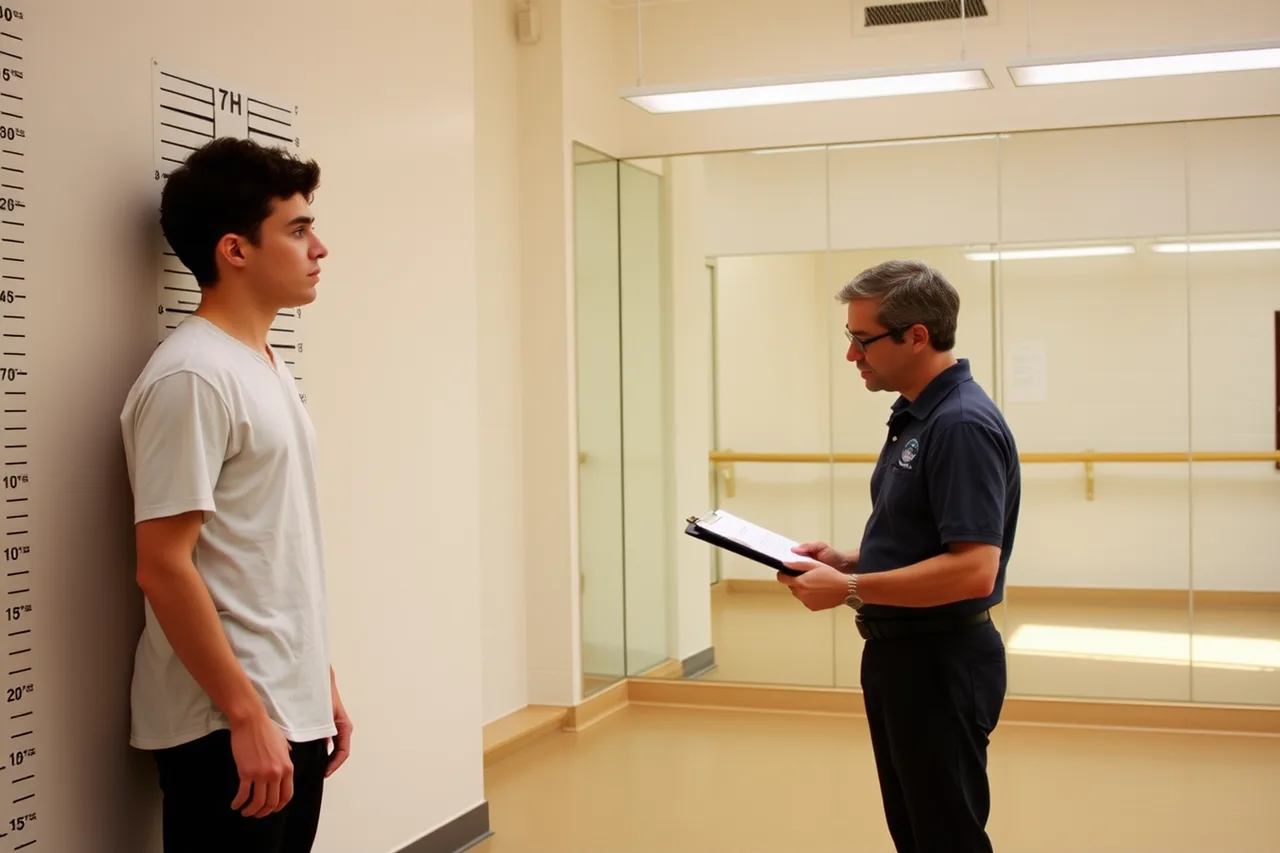
- Attend the open call or invited audition, where casting staff measure height, test movement and check whether your face reads as the character from stage distance.
- Complete a callback, which may include a costume fitting and a short performance with a partner.
- Pass a background check and onboarding, then accept a contract with a start date, a pay rate and a costume assignment.
- Keep your file updated each season, because rehire decisions often happen before public auditions are posted.
Casting teams look at more than a face. Movement, height and the ability to hold a character for a full shift decide most callbacks. That is why the same person can be a strong candidate for one role and a poor fit for another.
If you are building a portfolio for this market, the standards are similar to those used in a county fair celebrity lookalike contest.
Pay bands across park, convention and independent bookings
Orlando pay for lookalike and character work splits into three bands. Park pay bands are the most structured. Convention pay bands are event-driven and often higher per hour. Independent booking pay is the least predictable and depends on the client, the character and the length of the appearance.
Three Orlando Pay Bands
Park character or lookalike
- Pay structure
- Hourly wage, overtime
- Rate drivers
- Seniority, contract length
- Extras
- Overtime after 40 hours
Convention appearance
- Pay structure
- Day or hourly block
- Rate drivers
- Event size, travel
- Extras
- Photos after block
Independent booking
- Pay structure
- Flat fee per event
- Rate drivers
- Client budget, distance
- Extras
- Travel and materials
Pay bands across bookings
Typical pay structure
- Park character or lookalike
- Hourly wage, overtime after 40 hours in a workweek; typical range $16 to $22 an hour
- Convention appearance
- Day rate or hourly rate for a set block; typical day rate $250 to $600 for a four to six hour block
- Independent booking
- Flat fee per event, plus travel and materials; typical flat fee $300 to $1,500 an appearance
What drives the rate
- Park character or lookalike
- Seniority, contract length, role demand
- Convention appearance
- Event size, travel, exclusivity, photo demand
- Independent booking
- Client budget, character popularity, distance
Those dollar figures are typical market ranges, not posted rate cards. Florida's minimum wage sets the floor for park hourly work, at $14.00 an hour as of September 30, 2025, and the federal floor is $7.25 an hour.
Park pay bands move with the local labor market. The Bureau of Labor Statistics publishes wage data by geographic area, including the Orlando market, which is the best public benchmark for comparing a park offer against local averages. You can review that data through the Overview of BLS Statistics by Geography.
The BLS Occupational Employment and Wage Statistics for the Orlando metro area put amusement and recreation attendants at roughly $14 an hour at the median. The bottom tenth sits near $11.
Convention pay bands are usually quoted as a day rate. A performer booked for a fan convention may be paid for a four-hour or six-hour block, with breaks, and may be asked to stay for photos after the block. That extra time should be priced, not given away.
Independent booking pay is set by the performer. A flat fee should cover preparation, costume upkeep, travel and the hours on site. New performers often underprice because they forget the unpaid prep time.
A useful comparison for clients is the celebrity lookalike cost per hour, which shows how the market separates a brief appearance from a full event package.
What separates park work from independent bookings
The legal and practical line between park work and independent bookings is the employment relationship. A park performer is an employee. The park sets the schedule, provides the costume, directs the performance and withholds taxes. An independent performer is a business. You set the fee, carry your own insurance and handle your own taxes.
Park Employee vs Independent Performer
Park performer
- Status
- Employee
- Schedule
- Park sets it
- Costume
- Park provides
- Taxes
- W-2, withheld
- Insurance
- Workers' comp
Independent performer
- Status
- Business
- Schedule
- You set it
- Costume
- You own it
- Taxes
- Schedule C, self-employment
- Insurance
- Own liability coverage
That difference changes everything about pay and control. Park work brings steady hours, workers' compensation coverage and a defined wage. Independent bookings bring higher rates per hour but no set hours, no benefits and no employer covering a canceled event.
Costume control is another divider. Park characters are built and maintained by the park, and the performer cannot take the costume to a private event. That restriction protects the brand and the character's look.
Understanding how much of a look is manufactured is useful, and the same logic appears in how to tell a costume department's work from an actor's everyday look.
Taxes follow the same line. Park wages arrive on a W-2. Independent booking income is self-employment income, reported on a Schedule C, with self-employment tax. Performers who mix both should keep separate records from day one.
Insurance is the last divider. Parks cover performers on the job. Independent performers need their own liability coverage, especially for events with children, crowds or photo lines.
Convention season peaks and how they overlap park schedules
Orlando's convention calendar is a second job market for lookalike performers. Large fan, trade and pop-culture events pull crowds into the Orange County Convention Center and nearby hotels, and those events hire costumed talent for booths, photo ops and stage bits.
Named events on that calendar include MegaCon Orlando at the Orange County Convention Center, typically in early February. The IAAPA Expo runs in November, and Holiday Matsuri draws cosplay crowds in December at a nearby hotel.
Convention Peaks vs Park Season
- Late spring to summerfan events and trade shows
- Fall to early winterholiday and industry events
- Both windowsoverlap the park season
Parks usually schedule by seniority and by bid, so a new performer has less control over shifts. That makes convention work easier to accept in the off weeks and harder during peak park weeks. A performer who takes a convention day rate during a park contract must clear the outside work with the park first.
Some performers move between the two worlds on purpose. They keep a park job for steady income and take independent bookings on days off. Others leave park work entirely for the convention circuit, where rates are higher but bookings are not set.
Florida right-of-publicity limits on character lookalikes
Florida law gives people a right of publicity, which is the right to control commercial use of their name, likeness and image. That right matters to any performer who looks like a famous person, and it limits how a lookalike can be advertised or used without permission.
A park can license a character and control its use. An independent performer cannot claim to be the celebrity, and cannot imply endorsement. The practical rule is to sell the resemblance, not the identity.
Florida's statute also reaches uses after death, which is why estates police lookalike appearances.
Federal advertising rules add a second layer. The Federal Trade Commission treats misleading endorsement claims as deceptive advertising, and a lookalike ad that suggests a celebrity endorsement can draw scrutiny. Performers who cross state lines should check states such as California, where the right of publicity is codified in Civil Code section 3344.
That is one reason performers who want to become a celebrity lookalike in California face different agency rules.
Subminimum wage and wage rules that touch theme-park roles
Federal wage law covers theme-park performers. The Fair Labor Standards Act sets the minimum wage, overtime and recordkeeping rules that apply to park employees. It requires overtime pay for hours worked beyond 40 in a workweek for most covered employees. The basics are set out by the Wages and the Fair Labor Standards Act.
Wage Rules to Track
- Overtime after 40 hours in a workweek
- Subminimum wage certificates are limited
- 1099 contractors lack FLSA protections
- Misclassification can be challenged
- Keep hours, rates, travel and expense records
Subminimum wage is a separate issue. Federal rules allow certain employers to pay less than the minimum wage to workers with disabilities under a certificate, and to some other limited groups. Theme-park lookalike roles are not a typical category for that exception.
The Department of Labor explains it under Subminimum Wage.
Independent contractors are not covered by the FLSA's wage and hour protections in the same way. That is the risk of taking a booking as a 1099 contractor. If the client controls your schedule, your costume and your performance, the working relationship may look like employment, and misclassification can be challenged.
Performers should keep their own records: hours, rates, travel and expenses. The Department of Labor's Worker Rights page collects the pay and conditions resources that apply.