Guides
Part of Why forced-choice lookalike quizzes feel so convincing
Lookalike quizzes history: from lookalike contests to Stars in Their Eyes and Art Selfie
Lookalike quizzes history: the Chaplin and Dolly Parton contests, Stars in Their Eyes, StarByFace and Google's Art Selfie, set against the display technology of each era and what a score measured.
The guess-the-face format is much older than the internet, and every version of it was shaped by the display technology of its day. This lookalike quizzes history follows named examples: the Chaplin and Dolly Parton lookalike contests, the television show Stars in Their Eyes, the photo-upload site StarByFace and Google's Art Selfie. The magic lantern and the newspaper halftone are background on how images reached a public. Tracing it explains something the current version hides: the format has always been an entertainment built around the limits of an image, and the limits were the entertainment.
What to take away
- Projected lantern slides put a large, low-detail picture in front of a crowd; no named lantern-era lookalike game is documented here, so this is background only.
- Print halftones destroyed most of a face, which is why any guess from a printed portrait leans on outline, hair and costume.
- Lookalike contests and television shows such as Stars in Their Eyes added a live audience and a clock, which rewards speed over accuracy.
- Google Arts & Culture's Art Selfie, which matches a selfie to museum portraits, topped the download charts in January 2018 and made the matching private and instant.
- Every era's version was scored, and no era's version measured face memory on its own.
Background: the projected image and the audience answer
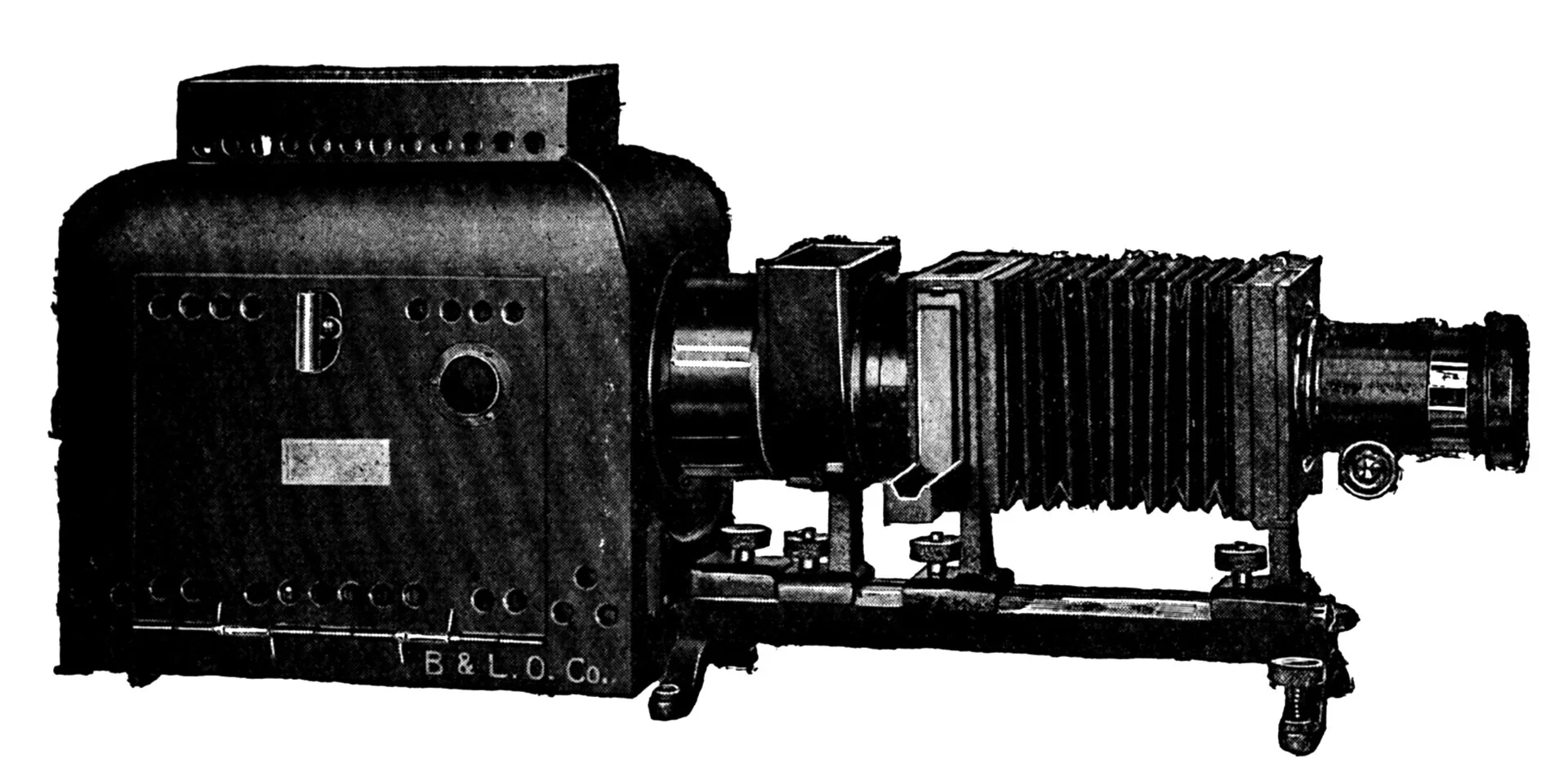
Before photography could be printed cheaply, images reached a crowd by being projected. The Dutch scientist Christiaan Huygens is considered one of the possible inventors of the magic lantern; his oldest known sketch for it is believed to date from 1659. The lantern was mostly developed in the 17th century for entertainment.
A lantern threw a painted or photographic slide onto a sheet, and a room looked at one picture together. Two features of that setup are worth noting as background. The image was large and soft, so coarse cues would do most of the work. And a shared viewing means whoever speaks first can anchor the room, as it still does in a comment thread. This is an inference about the medium, not a record of a named lantern game.
Background: the printing screen and the coarse face
Photographs reached newsprint through the halftone screen. The New York Daily Graphic published what is described as the first reproduction of a photograph with a full tonal range in a newspaper on March 4, 1880. On newsprint the halftone pattern becomes more visible because of the paper itself.
A face printed through a coarse screen keeps its outline, its hair and its largest shadows, and loses everything else. Anyone asked to name a person from such a print is working from those cues, whether or not a contest was involved.
The silent-film era added the live lookalike contest, judged on the same coarse cues. Charlie Chaplin was the subject of many look-alike contests, and an urban legend claims that Chaplin entered one of them and lost; the story is retold in the musical Chaplin. Dolly Parton has stated that she lost a Dolly Parton look-alike contest. Both stories say the same thing: the judges were scoring the costume and the outline the public knew.
A winner in a contest like these was reading hair, hat, collar and posture, and, for print images, whichever crop the publication chose. The result measured familiarity with an image as much as familiarity with a face.
Contests, panels, clocks and the reward for speed
The earliest known television panel show was Play the Game, a charades show that began in 1946 on DuMont and ABC. These were guessing panels rather than face quizzes, but they set the studio template that later lookalike formats borrowed.
Television then put lookalikes themselves on the studio floor. Stars in Their Eyes, produced by Granada for ITV, premiered on 21 July 1990 and ran until December 2006; contestants appeared and sang live as a famous singer, and the most impersonated stars were Dolly Parton, Elvis Presley, Cher, George Michael, Celine Dion, Kylie Minogue and Madonna. In 2005 the British show Richard and Judy ran a competition for Little Britain lookalikes, settled in a live final broadcast on Channel 4.
Broadcast turned the format into a game with a timer and a studio audience. A clock changes what is being measured. Under time pressure, a player answers from the fastest available cue, which is never fine facial structure. It is silhouette, hair, or a memory of having seen this picture before.
That bias survives intact in every timed online quiz, and it explains why scores feel more impressive than they are. The format rewards recognition of an image, not discrimination between faces. How face match scores are calculated breaks that down.
From the studio to the upload page
When the web arrived, the panel game moved onto a page. Photo-upload sites such as StarByFace and Celebs Like Me ask a visitor to upload a picture and return a ranked list of famous faces. They drop the studio clock and the audience, but keep the scored guess. The visitor sees only a percentage and a name.
This is the step the earlier formats lead to. The public contest became a private, instant result, and the answer came from software rather than a room. Nothing in the result shows which photographs the site compared against or why a name ranked first. The score is a statement about the site's image set, not about the visitor's face.
Google's Art Selfie, added to the Google Arts & Culture app in January 2018, took the same private, instant result in a different direction. It matched a selfie to portraits in museum collections rather than to celebrities, so it ended the line as a close relative of the lookalike quiz, not a celebrity one.
The old genre underneath all of it
Guessing games about faces sit next to an older and less innocent tradition. Reading character from facial appearance, physiognomy, was revived and popularised by the Swiss pastor Johann Kaspar Lavater before it fell from favour in the late 19th century. It has no standing whatsoever today. Its residue is the intuition that a face is a text that can be read correctly, which is exactly the intuition a quiz flatters.
The folklore of the double is the other ancestor. The idea of a person's exact counterpart appearing elsewhere predates photography by a long way, and it supplies the frame in which a chance resemblance feels significant rather than expected. Why historical lookalikes rarely hold up is the practical version of that story: a striking resemblance is usually a fact about the photographs.
What each era measured
| Era | Display | What the score really tracked |
|---|---|---|
| Projected slide | Large, soft, shared | Whoever answered first, and coarse outline |
| Newspaper print | Coarse halftone print | Familiarity with one publication's images |
| Broadcast panel | Screen plus a clock | Speed of retrieval, not accuracy of discrimination |
| Online quiz | Small, sharp, private | Prior exposure to the specific image chosen |
The last row is the one people assume is different. It is not, and in one way it is worse: the image on a modern quiz is usually the single most circulated photograph of that person, so the player is being tested on a picture rather than on a face. Art Selfie runs the same logic with paintings: it matches the user's face to museum portraits from Google's database, so the result depends on which portraits were digitized. Photo-upload sites depend on which celebrity photographs they hold. The same substitution happens in any side-by-side comparison.
What Each Era Measured
Era
- Projected slide
- Large, soft, shared
- Newspaper contest
- Coarse halftone print
- Broadcast panel
- Screen plus a clock
- Online quiz
- Small, sharp, private
Display
- Projected slide
- First answer, coarse outline
- Newspaper contest
- Familiarity with one publication
- Broadcast panel
- Speed of retrieval, not discrimination
- Online quiz
- Prior exposure to the image
What the score tracked
- Projected slide
- Newspaper contest
- Broadcast panel
- Online quiz
What the history is good for
It sets expectations. A format with this long a run as entertainment has had plenty of time to become a measurement. It never was one. Play it as a game about pictures.
Do not treat a score as evidence about anyone's face. Do not treat a quiz item as a license to publish a pairing, which is the standing position on submitted comparisons.
Common questions
Were any of the old formats better designed than current ones?
In one respect, yes: a live or printed contest showed everyone the same image and announced the judges' answer, which most online quizzes do not.
Does a sharper modern image make the guessing harder or easier?
Easier, and for the wrong reason: sharper images are more circulated, so the player recognizes the picture rather than the person.
Is there an honest version of the format?
Yes, on your own photographs, with a "cannot tell" option, and with the score reported as what it is: a measure of your exposure to a particular set of images.