Guides
Part of 7 notes on professional lookalikes worth reading
5 details of professional lookalikes quiz people miss
Professional lookalike acts beat face quizzes because five of the six cues a quiz uses can be bought. What that says about the score, not the performer.
What to take away
- The five details people miss are the cues a quiz item leans on: hair, headwear and eyewear, silhouette and posture, wardrobe, and expression.
- Four of the five are purchases. The fifth, expression, is rehearsal, and rehearsal is the cheapest item in the budget.
- Bone structure is the sixth cue in the table, and it is the cue a quiz treats as the whole test.
- Lighting, framing and cropping are chosen by whoever made the image, so the act owns those as well.
- A quiz score describes the still frame and the act built around it. It does not describe the face underneath.
The five cues a quiz item reads
A quiz item shows two still images and asks which one is the celebrity. That format gives the player no way to ask for another angle. Forced choice is what makes a lookalike quiz feel so convincing, and it is also what makes the item easy to prepare for.
Tribute and impersonation work is an established entertainment trade with fixed wardrobe conventions, and those conventions predate every quiz. Celebrity impersonation is built for instant recognition at a distance.
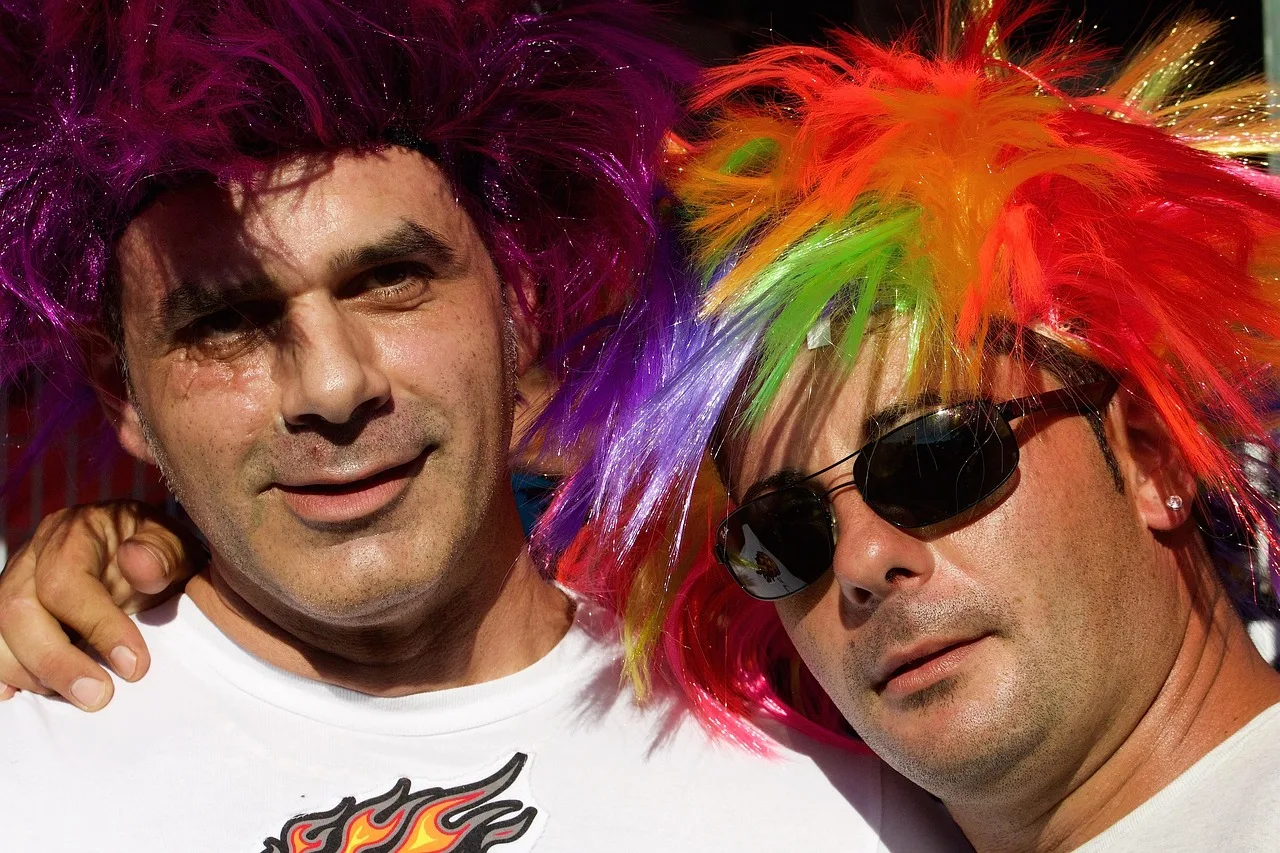
- Hair.Shape, colour, hairline and volume. An Elvis act buys a black pompadour wig with a raised front line. A 1980s rock item wants long layered hair and a bandana.
- Headwear and eyewear.A fedora, a captain's cap, aviator frames, dark rectangular frames. These cost less than the wig and change the outline of the head more.
- Silhouette and posture.Shoulder line, height, stance, and the way the head sits. This cue is free and takes rehearsal.
- Wardrobe and period styling.The white jumpsuit, the sequined jacket, the leather. Fabric and colour carry a period as well as any facial feature does.
- Expression and manner.The half smile, the head tilt, the slow wave. Rehearsed, and repeatable on cue.
A wig is the first purchase an act makes and the largest single lever in the trade.
None of the five requires the performer to resemble the subject. All five require the performer to resemble the subject's most photographed image.
Stage contests and photo quizzes score different things
A live contest judges a performance over minutes. A quiz judges a single frame in seconds. Contest judging rules tend to reward the whole act, which is one reason the two formats disagree.
A stage contest
- Hair and headwear
- Seen in movement, read against a set
- Silhouette and posture
- Full body, held for minutes
- Expression and manner
- Sustained across a set
- Bone structure
- Visible under stage light
- Time allowed
- Minutes
A photo quiz
- Hair and headwear
- One fixed shape, chosen by the act
- Silhouette and posture
- Cropped and posed
- Expression and manner
- One frame
- Bone structure
- Visible, not adjustable
- Time allowed
- Seconds
[figure 1]
Quiz cues: purchasable vs fixed
Cue
- Hair shape, color, hairline
- Yes, completely
- Headwear or eyewear
- Yes, completely
- Silhouette and posture
- Yes, with rehearsal
- Wardrobe and period styling
- Yes, completely
- Facial expression and manner
- Yes, with rehearsal
- Bone structure
- No
Can an act supply it?
- Hair shape, color, hairline
- A wig
- Headwear or eyewear
- Hat and frames
- Silhouette and posture
- Practice time
- Wardrobe and period styling
- Wardrobe budget
- Facial expression and manner
- Practice time
- Bone structure
- Not available at any price
Cost to the act
- Hair shape, color, hairline
- Headwear or eyewear
- Silhouette and posture
- Wardrobe and period styling
- Facial expression and manner
- Bone structure
The act prepares for seconds, because seconds are all the quiz allows. A contest asks for the same cues and then keeps watching. Recognition also lands before judging starts, and why your brain is primed to spot celebrity lookalikes everywhere explains that timing.
Example: one Elvis item, cue by cue
Take an Elvis item. The frame shows a dark pompadour, sideburns, a high collar and a white jumpsuit with a wide belt. Swap the wig for a short grey cut and leave everything else alone. Most players stop calling it a match.
Put the same performer back in the wig, under flat lighting, shot from two metres away. The proportions shift and the item gets harder to call. One purchase decides the answer.
Lighting and the promotional frame
A publicity photograph is not a neutral record. It is lit and framed to produce recognition, using conventions that are taught and standardized. A conventional key, fill and back arrangement shapes a face predictably.
The crop does work too. Many quiz items trim to chest height, which removes posture and gait. What remains is hair, headwear and the outline of a jacket.
Camera distance matters as much as light. Move the camera and the proportions of a face change. A photographer who knows the target image can match its geometry, which is the same question that runs under every side by side comparison.
How to test the cue list yourself
Run a quiz using two photographs of one person, taken twenty years apart. Choose two frames with comparable lighting and keep the face at the same scale. Players will call it two people. No wig, no wardrobe and no rehearsal are involved, and the item still returns two answers.
The failure is not about the performer. It is about what a pair of photographs can hold. A quiz built this way compares two decisions by a photographer, not two faces.
This site does not publish pairings for that reason. What happens when pairings get published sets out the cost to the person whose face is used without consent.